Expert Advice: The Importance of Accurate Line Marking for Safety
Understanding the Basics of Line Marking
Line marking is a critical aspect of maintaining safety and organization in various environments, from industrial warehouses to parking lots. By clearly delineating spaces, line marking ensures that individuals and vehicles know where to go and what areas to avoid. Without accurate line marking, confusion can reign, leading to potential accidents and inefficiencies.
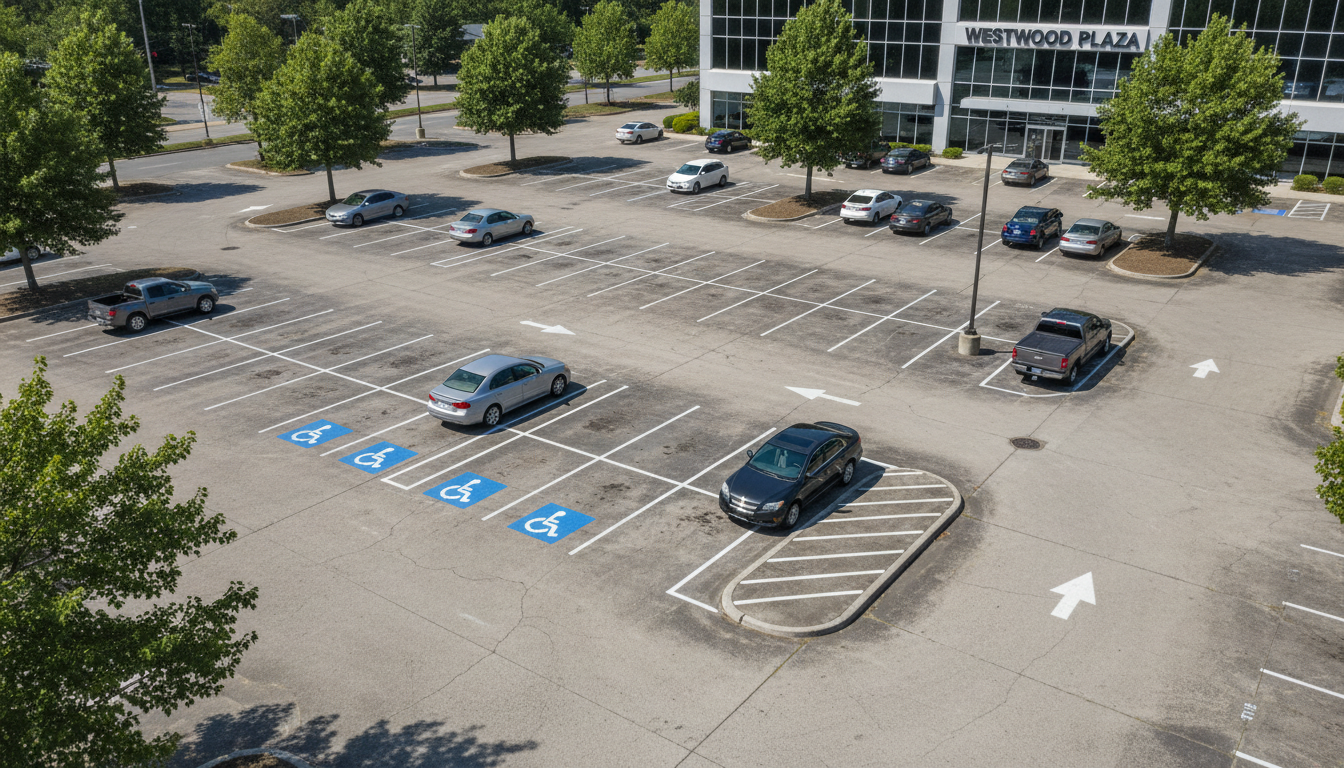
In industrial settings, for example, line marking helps define safe zones, walkways, and loading areas. This not only protects workers but also enhances the overall workflow. In parking lots, proper line marking maximizes space usage and minimizes the risk of vehicle collisions. Accurate line marking acts as a visual guide, promoting order and safety across the board.

The Risks of Inaccurate Line Marking
Inaccurate or faded line markings can lead to serious safety hazards. When lines are not clearly visible, individuals may inadvertently enter restricted areas, leading to accidents or injuries. In parking areas, unclear markings can cause parking chaos, resulting in vehicle damage and frustration for drivers.
Regular maintenance is essential to ensure that line markings remain vibrant and effective. Over time, exposure to weather conditions and high traffic can cause markings to fade. It’s important for businesses and property managers to schedule routine checks and touch-ups as required.
Key Areas for Accurate Line Marking
Several key areas benefit significantly from precise line marking:
- Pedestrian Walkways: Clear walkways protect pedestrians and provide safe passage.
- Loading Zones: Properly marked loading areas help streamline logistics and prevent unauthorized parking.
- Emergency Exits: Clearly marked exits are crucial for quick evacuation during emergencies.

Choosing the Right Materials and Techniques
Using the right materials and techniques is vital for effective line marking. Durable, high-visibility paints or tapes are often preferred as they withstand heavy traffic and harsh environmental conditions. Reflective materials can also be used to enhance visibility in low-light conditions.
Professionals in the field utilize advanced equipment to ensure lines are straight, evenly spaced, and consistent in width. Precision is key when it comes to effective line marking, as even minor deviations can lead to confusion and safety risks.
Regular Maintenance and Updates
To maintain safety standards, it's crucial to implement a regular maintenance schedule for line markings. This includes inspecting the markings for wear and tear and scheduling repainting or retaping as needed. Consideration should also be given to any changes in the layout or usage of a space, which may necessitate updates to the line markings.
Expert Insight and Consultation
Consulting with experts in line marking can provide valuable insights into the most effective strategies and products for your specific needs. An expert can assess the environment and recommend the optimal line marking solutions, ensuring compliance with safety regulations and enhancing operational efficiency.
In conclusion, accurate line marking is not just a regulatory requirement but a fundamental component of safety and organization. By investing in quality materials and expert guidance, businesses can significantly reduce the risk of accidents and improve the overall functionality of their spaces.