Local Regulations for Pavement Marking in Dallas-Fort Worth
Understanding Local Regulations
In the bustling Dallas-Fort Worth area, pavement marking is an essential component of road safety and traffic management. Local regulations ensure that these markings are consistent, visible, and effective in guiding both drivers and pedestrians. Understanding these regulations is crucial for contractors and businesses involved in infrastructure development.
Compliance with State and Local Standards
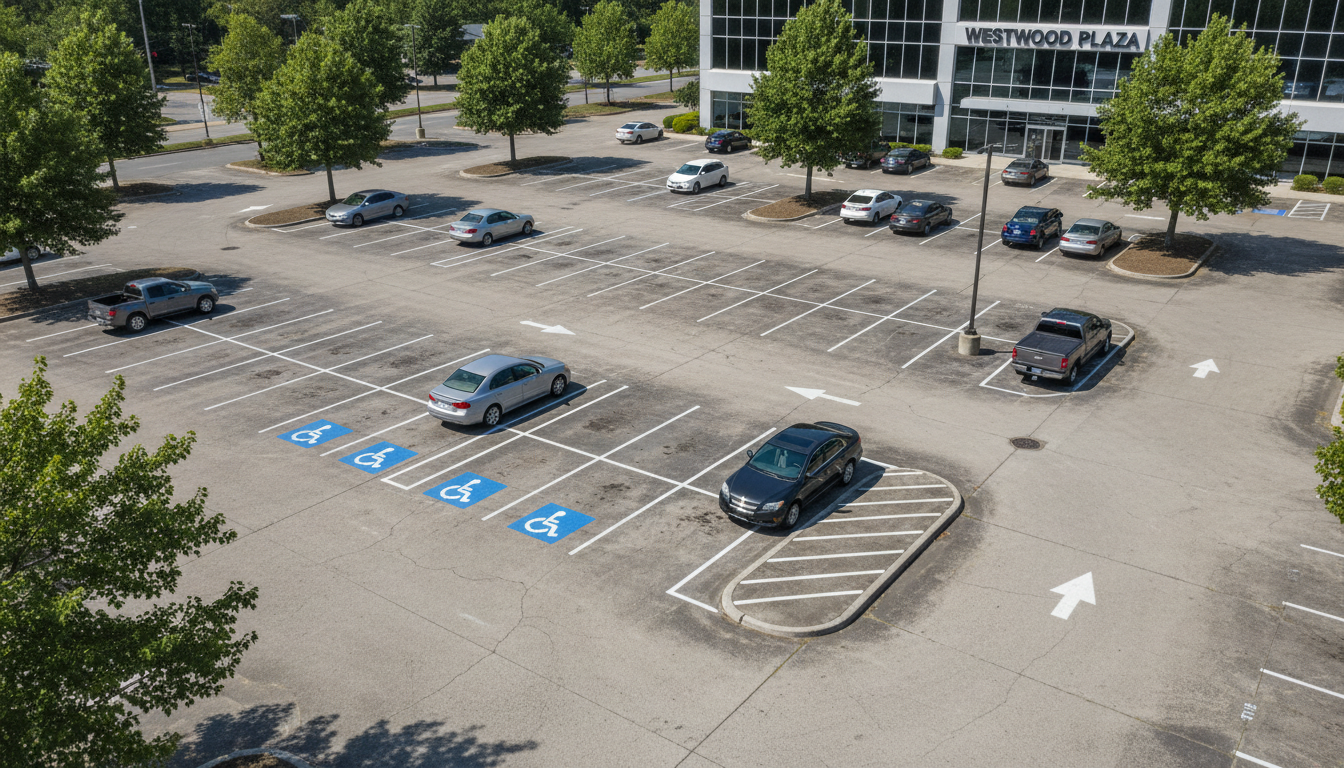
Pavement markings in Dallas-Fort Worth must adhere to both state and local standards. The Texas Department of Transportation (TxDOT) provides guidelines that align with the Manual on Uniform Traffic Control Devices (MUTCD). These standards cover everything from the color and width of lines to the types of materials used.
Local authorities may impose additional requirements to address specific traffic conditions in the area. It's critical to stay updated with these regulations to ensure compliance and avoid potential fines or project delays.
Types of Pavement Markings
The types of pavement markings commonly used in the Dallas-Fort Worth region include:
- Lane Lines: Separate lanes of traffic moving in the same direction.
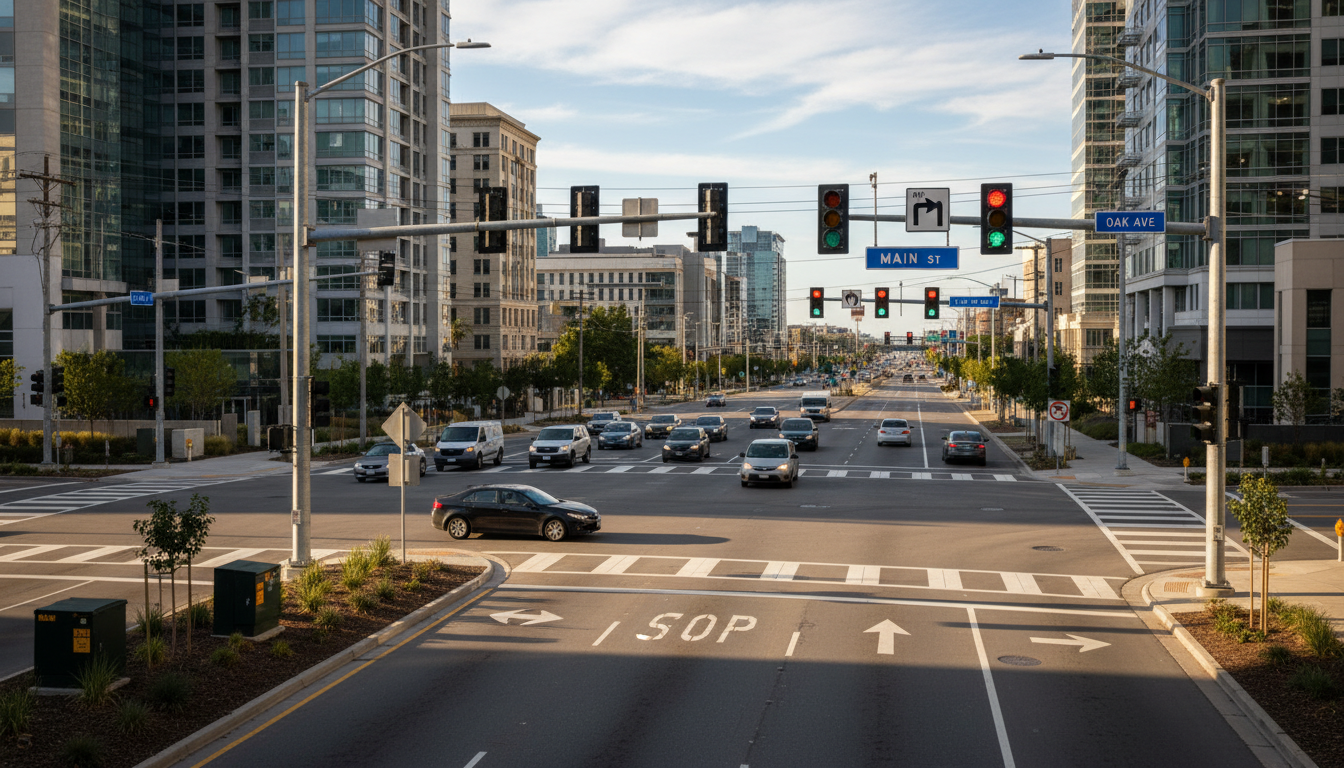
- Crosswalks: Indicate pedestrian crossing areas and must be highly visible.
- Stop Lines: Mark the point where vehicles must stop at intersections or signals.
- Arrows: Direct traffic flow and indicate lane directions.
Materials and Visibility
The materials used for pavement marking play a significant role in their durability and visibility. In the Dallas-Fort Worth area, thermoplastic and water-based paints are commonly used due to their reflective properties and longevity. These materials are designed to withstand the region's weather conditions, ensuring that markings remain visible in various lighting and weather scenarios.
Reflective glass beads are often added to enhance visibility at night or during adverse weather, providing an additional safety measure for all road users.
Environmental and Safety Considerations
As environmental awareness increases, the choice of materials and methods for pavement marking must also consider their ecological impact. Regulations may require the use of low-VOC (volatile organic compounds) paints to minimize environmental pollution.

Safety is another crucial consideration. Proper signage and marking help prevent accidents, making it vital to ensure that all markings are clear and well-maintained. Regular inspections and maintenance are required to keep them in optimal condition.
Staying Informed and Updated
Local authorities in Dallas-Fort Worth periodically update regulations to improve road safety and efficiency. Staying informed about these changes is essential for anyone involved in road construction and maintenance. This can be achieved by regularly consulting local government websites and attending relevant industry workshops or seminars.
By adhering to local regulations and best practices, contractors and businesses can contribute to safer and more efficient transportation networks in the Dallas-Fort Worth area.