Mastering Expert Striping Techniques for Pavement
Achieving professional results in pavement striping requires a blend of technique, precision, and the right tools. Whether you're working on parking lots, roads, or sports courts, mastering expert striping techniques can elevate the quality and durability of your work.
Understanding the Basics of Pavement Striping
Pavement striping is not just about applying paint to a surface; it involves understanding the specific requirements of the project. Key factors include the type of surface, the intended use of the area, and environmental conditions. These elements dictate the choice of paint and application method.
It's crucial to select the right materials for the job. Different environments demand different types of paint, such as water-based, solvent-based, or thermoplastic. Each type has its advantages, such as durability or quick drying times, making them suitable for specific applications.
Preparing the Surface
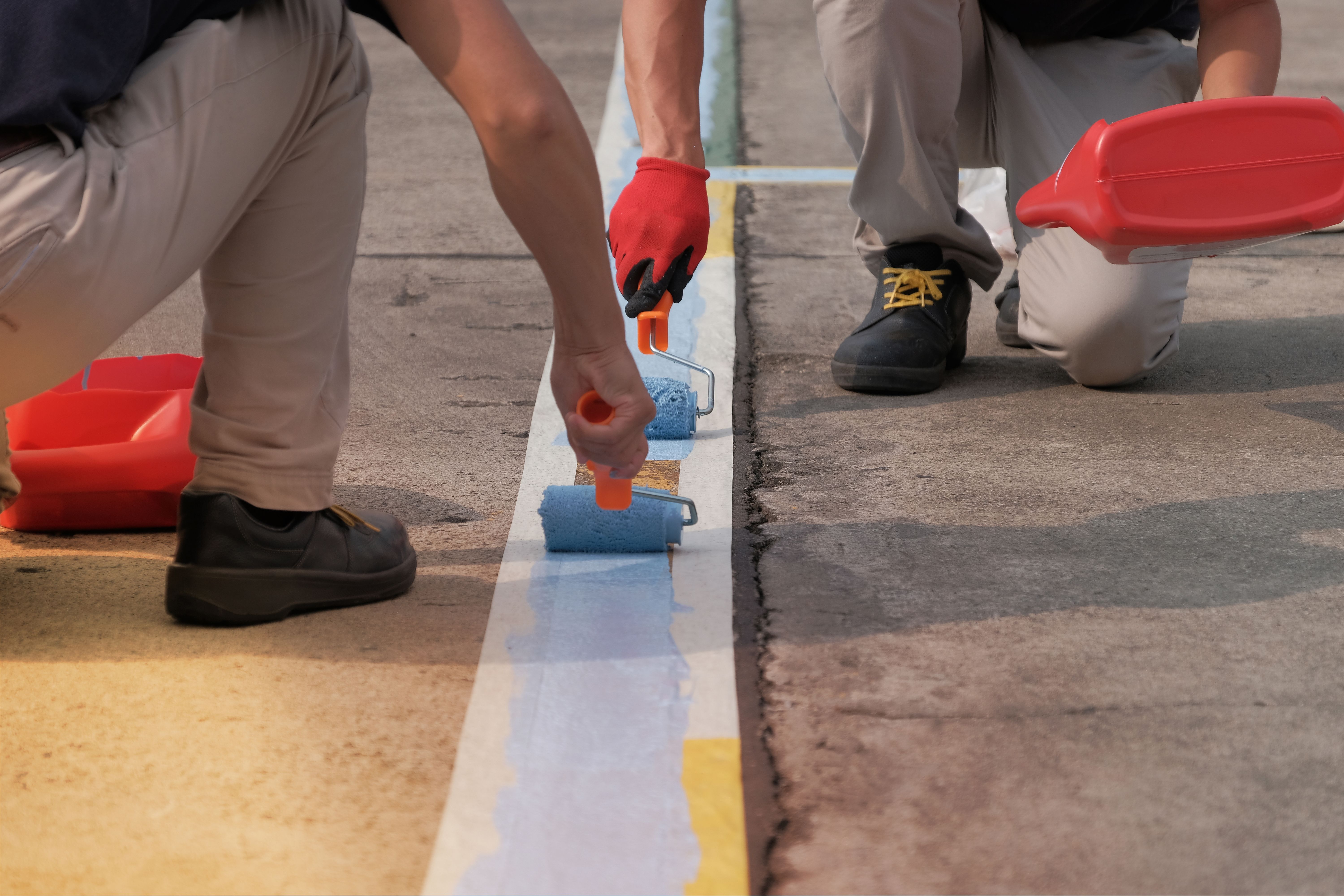
Proper surface preparation is essential for achieving long-lasting striping results. Begin by cleaning the pavement to remove dirt, debris, and any old paint. This can involve sweeping, pressure washing, or using specialized cleaning agents.
Once the surface is clean, inspect it for any damage or irregularities that could affect striping quality. Repairing cracks and potholes ensures a smooth application. This step is crucial as it prevents paint from pooling or wearing unevenly, which can compromise the clarity and longevity of the stripes.
Tools and Equipment
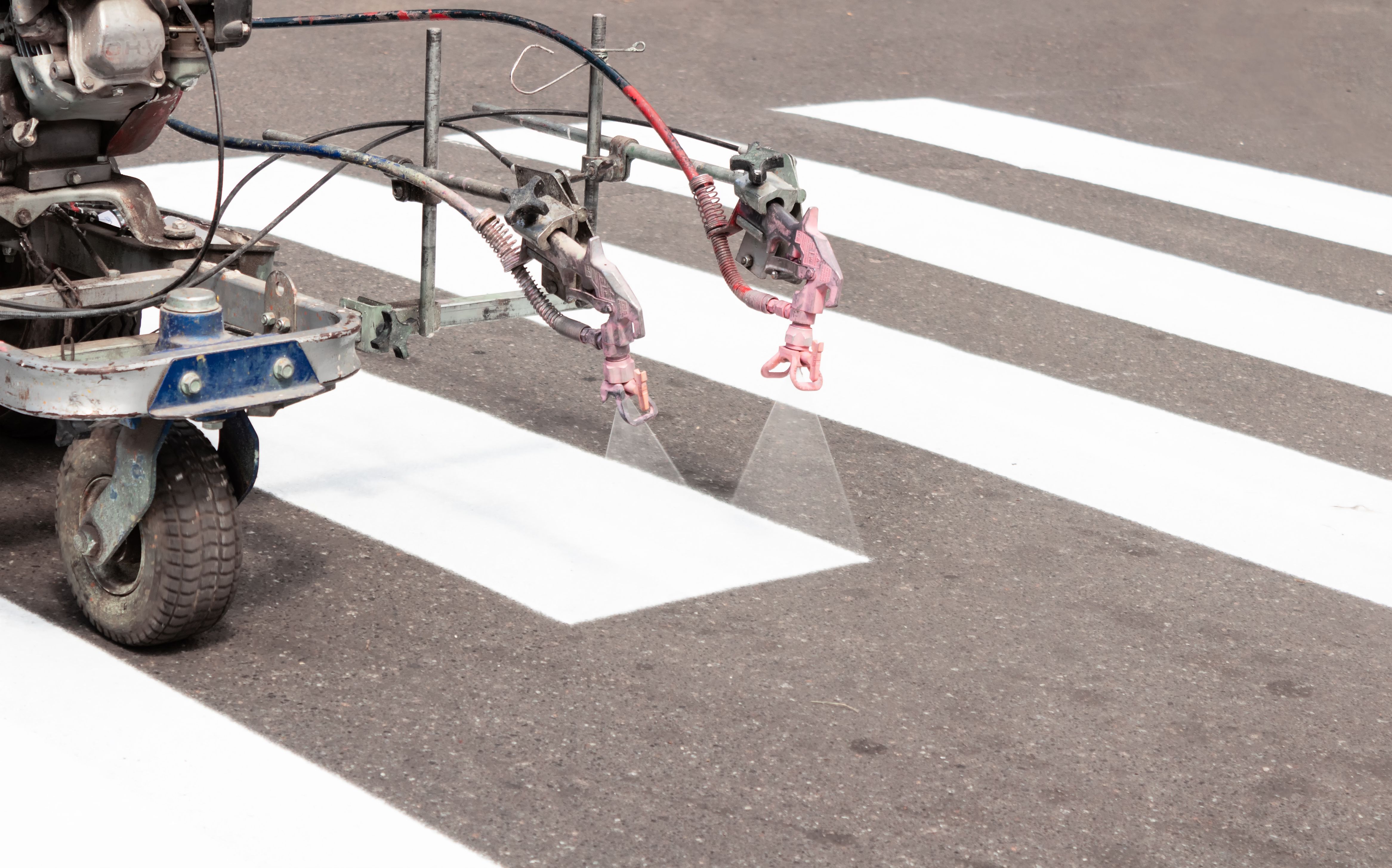
Investing in high-quality striping equipment can make a significant difference in the outcome of your project. Line stripers come in various models, from walk-behind to ride-on machines, each suited for different scales of work. Choose equipment that offers precision and ease of use.
Applying the Paint
When applying the paint, consistency is key. Use steady, even strokes to ensure uniform coverage and thickness. It's often beneficial to use a guide or template for straight lines, especially in larger areas like parking lots.
Take into account the drying time of the paint to avoid smudges and ensure clean lines. Environmental factors such as temperature and humidity can affect this, so plan your work accordingly to avoid delays and rework.
Advanced Techniques
For more complex projects, such as custom designs or logos, advanced striping techniques may be necessary. This includes using stencils and multi-layer painting. These methods require skill and practice but can significantly enhance the visual appeal and functionality of the pavement.
Maintenance and Upkeep
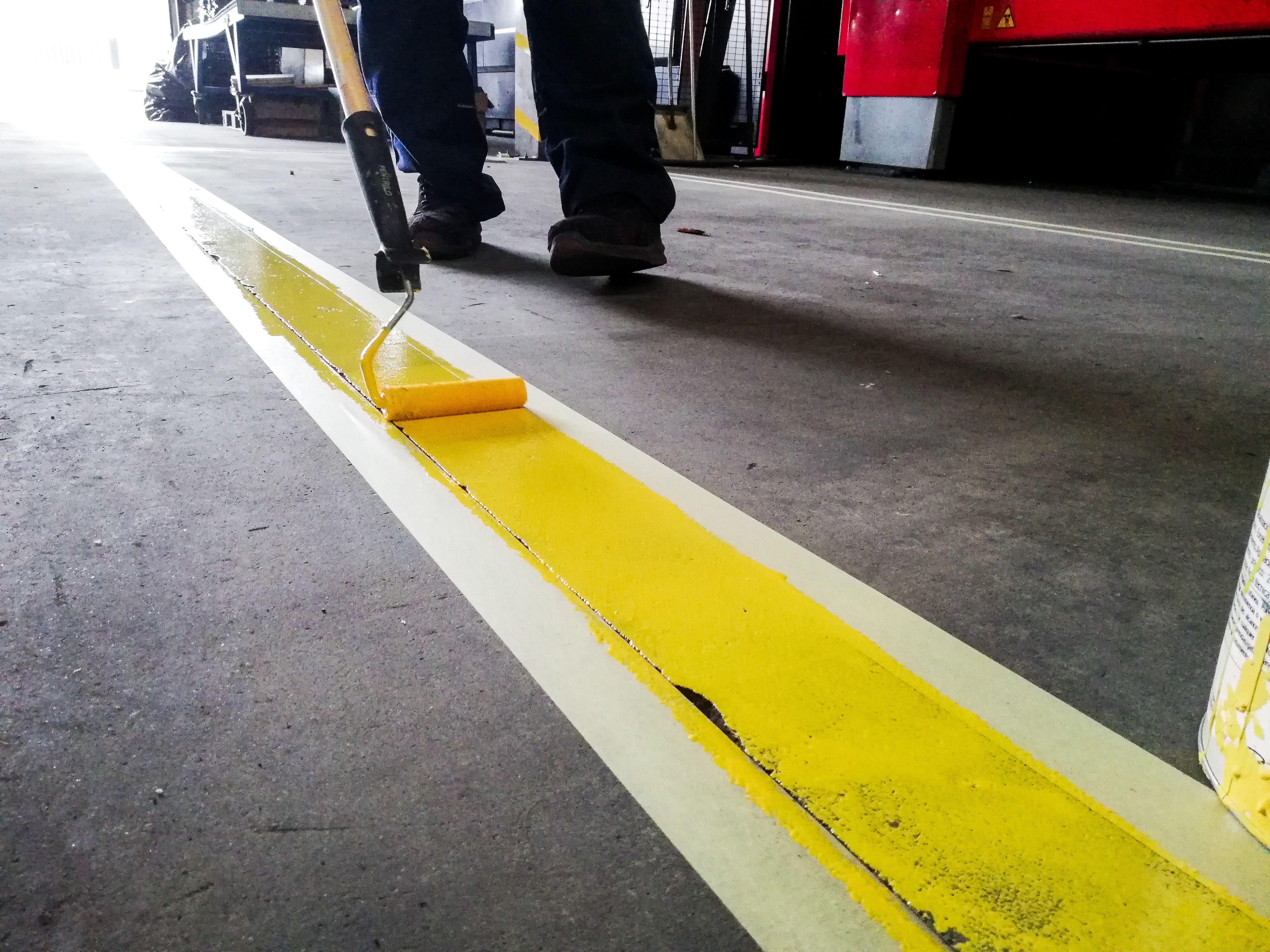
Regular maintenance is essential to preserve the quality of your striping work. This includes routine inspections and touch-ups as needed. Ensuring proper drainage and addressing any surface issues promptly can extend the life of the stripes.
Consider implementing a maintenance schedule to keep the pavement in top condition. This proactive approach not only enhances safety and appearance but also reduces long-term costs associated with major repairs.