The Future of Pavement Services: Innovations in Line Marking
Innovations in Pavement Line Marking
The world of pavement services is undergoing a transformation, and line marking is at the forefront of these innovations. From new materials to cutting-edge technology, the future of line marking is set to improve safety, efficiency, and sustainability. As urban areas continue to expand, these advancements are becoming increasingly vital.
Smart Materials and Sustainability
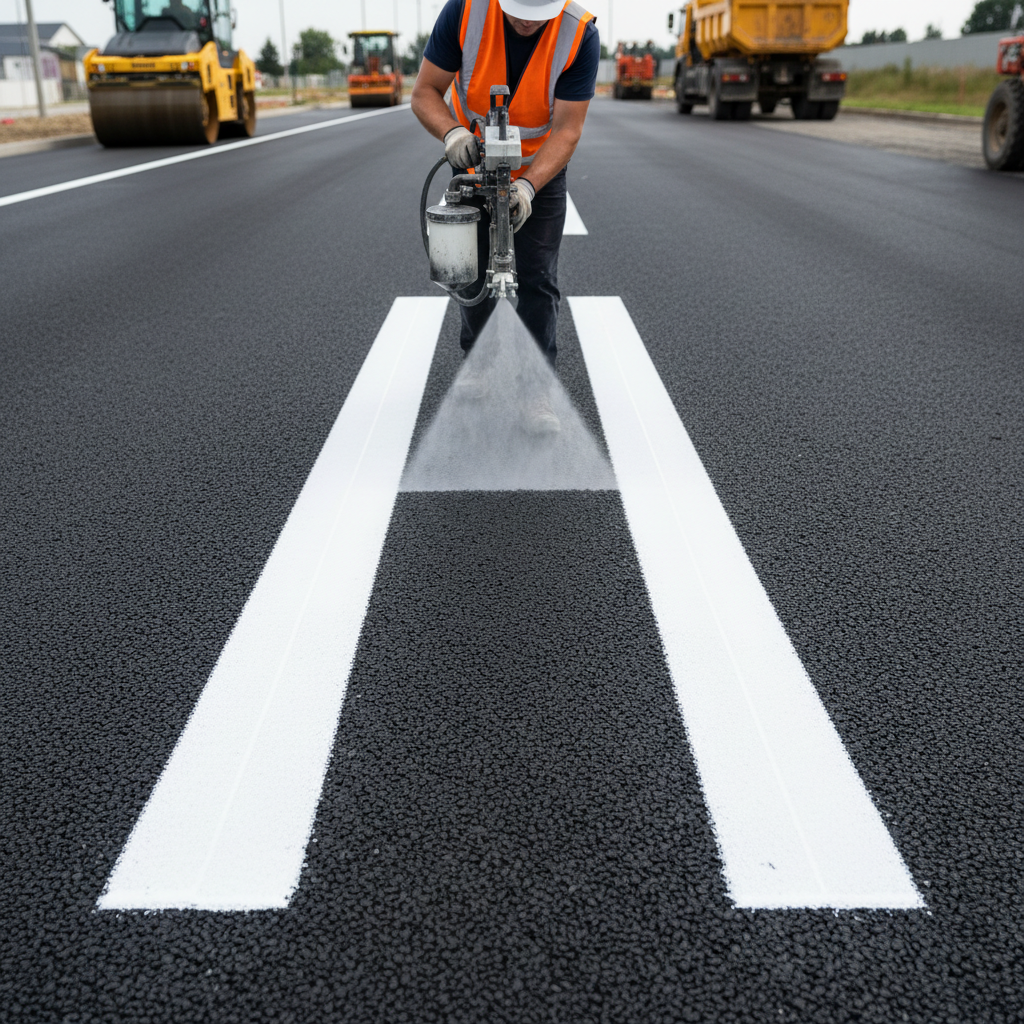
One of the most exciting developments in line marking is the use of smart materials. These materials are designed to be more durable and environmentally friendly. For example, thermoplastic road markings are now being infused with reflective glass beads, enhancing visibility while reducing the need for frequent reapplications. This not only saves time and resources but also reduces the carbon footprint of pavement services.
Moreover, biodegradable and recyclable materials are gaining traction. These eco-friendly alternatives ensure that the environmental impact of road maintenance is minimized, aligning with global sustainability goals.
Technological Advancements
Technology is playing a crucial role in revolutionizing line marking. Automated machines equipped with GPS and advanced sensors are now capable of applying lines with precision that human operators cannot match. This automation minimizes human error, enhancing the safety and accuracy of road markings.
Additionally, innovations such as glow-in-the-dark and LED-embedded lines are being explored. These technologies improve nighttime visibility and can be particularly beneficial in regions with low light conditions, significantly enhancing road safety.
Enhanced Safety Features
Safety remains a top priority in pavement services. New line marking technologies are contributing to safer roads by integrating features like tactile feedback. These feedback systems provide drivers with sensory cues, alerting them to lane departures or other potential hazards.
Furthermore, dynamic line markings that can change in response to traffic conditions are being tested. These smart systems can adapt to traffic flow, offering real-time guidance to drivers and reducing congestion.

The Role of Data in Line Marking
Data analytics is becoming increasingly important in the planning and implementation of line marking. By analyzing traffic patterns, weather conditions, and road usage, service providers can make informed decisions about where and when to apply markings. This data-driven approach ensures that resources are used efficiently and that markings remain effective for longer periods.
Moreover, integrating data with line marking technology allows for the creation of intelligent transport systems. These systems can communicate with vehicles, providing real-time updates and enhancing overall traffic management.
The Future Outlook
The future of pavement services and line marking is bright, with numerous innovations on the horizon. As technology continues to evolve, we can expect even more sophisticated materials and systems that prioritize safety, efficiency, and sustainability. Service providers who embrace these changes will be well-positioned to meet the demands of modern infrastructure.
In conclusion, the innovations in line marking are set to redefine how we think about road safety and maintenance. By adopting these advancements, we can create smarter, safer, and more sustainable roads for everyone.